







Search Results for: High-Altitude Arabica
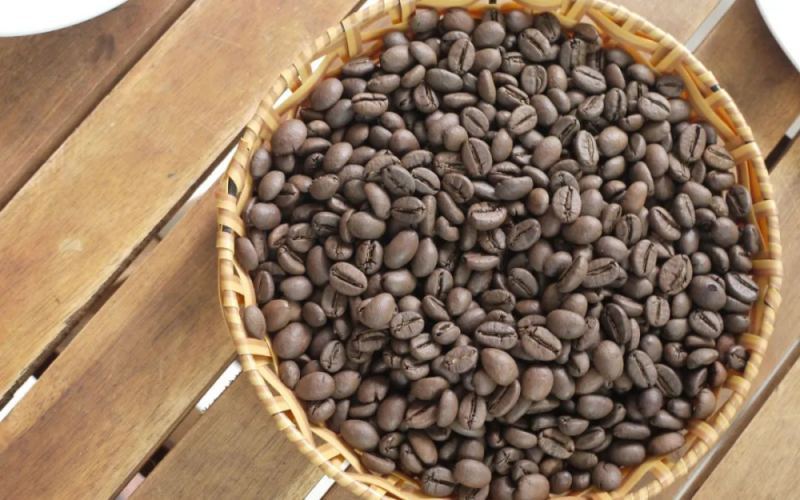
The Specialty Coffee World Reexamines Robusta: Can High-Altitude Cultivation and Anaerobic Processing Rewrite Entrenched Impressions?
For a long time, Robusta coffee beans have been largely neglected in the specialty coffee world, often associated with low altitudes, extensive farming, and bitter flavors. However, over the past two years, this situation has been quietly changing. From a World Barista Championship competitor using high-altitude Vietnamese Robusta blended with Geisha to place fourth, to more and more specialty coffee shops incorporating it into espresso blends or even launching single-origin anaerobic natural products, Robusta is returning to the industry's spotlight with a brand-new image. Climate change poses severe challenges to Arabica cultivation, while Robusta, with its strong environmental adaptability—combined with producers cultivating and processing it to specialty Arabica standards—reveals surprising flavor layers such as barley tea, nuts, caramel, and even fermented fruit notes on a base of high body and low acidity. This article will explore in depth the reasons behind this trend, the details of processing methods, and whether Robusta can truly shed its old label and win renewed recognition from coffee enthusiasts. [more…]

Why High-Altitude Cultivation Creates Specialty Coffee: A Comprehensive Comparison of Arabica and Robusta Beans
Coffee, as an evergreen shrub in the Rubiaceae family, is mainly cultivated in two major categories: Arabica and Robusta, with specialty coffee mostly coming from Arabica branches such as Typica, Bourbon, and Caturra. About 70 countries worldwide grow coffee in tropical and subtropical regions between 25 degrees north and south latitude, and it usually takes three to five years from sowing to first flowering. This article will provide a detailed introduction to the complete growth cycle of the coffee tree from seedling cultivation and flowering to fruit ripening, and systematically compare the core differences between Robusta and Arabica in terms of growing altitude, flavor characteristics, and share of production. At the same time, for coffee lovers who prefer a rich, oily mouthfeel, the article also specifically recommends two espresso beans containing Robusta components, Front Street Classic Blend and Front Street Commercial Blend, to help readers understand coffee varieties and purchasing directions more comprehensively. [more…]

Ecuador, the Equatorial Country: A Complete Analysis of the Terroir and Flavor of High-Altitude Organic Coffee Regions
Among the many coffee-producing countries in South America, Ecuador is often overlooked, yet it possesses ideal conditions for growing specialty coffee, such as low latitude, high altitude, and volcanic ash soil. In this article, Front Street will take you through the coffee-growing history and recent revival of this equatorial country, the terroir characteristics of major producing regions such as Loja, the Galápagos Islands, and the Intag Valley, as well as the flavor expressions brought by washed processing and varieties like Bourbon and Typica—juicy and complex, with jammy sweetness and yellow fruit notes. We also include Front Street's roasting and brewing suggestions, so you can fully appreciate the potential and charm of Ecuadorian organic coffee beans. [more…]
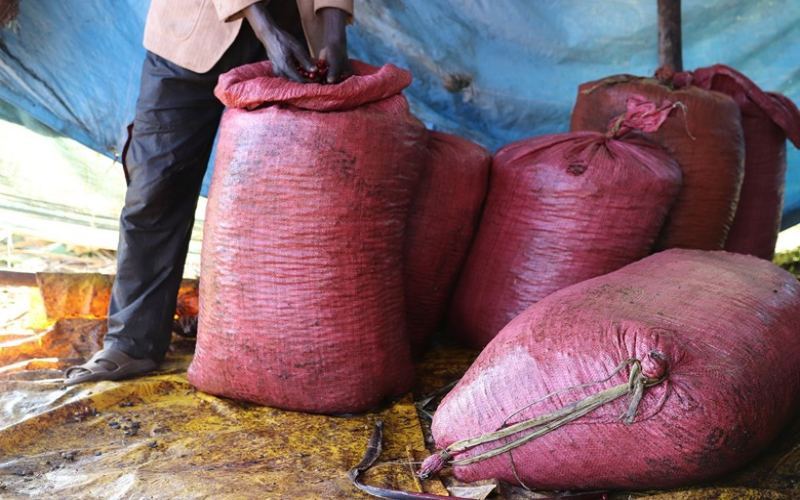
Arabica's Regional Flavors: Ethiopian Floral and Fruity Notes vs. Central and South American Sweetness
One of the most fascinating aspects of Arabica flavor is the imprint of its origin. Even though they are all Arabica beans, those from Ethiopia, Colombia, or Brazil often perform noticeably differently in the cup. Origin is like a coffee's flavor business card—once you understand it, you have a direction for choosing beans. Ethiopia is the birthplace of Arabica, and the cof [more…]
In-Depth Analysis of Costa Rican Coffee Bean Quality: From High-Altitude SHB Beans to Front Street Coffee's Flavor Code
Costa Rican coffee is world-renowned for its bright acidity, rich aroma, and mild body. The volcanic ash soil of the Central Plateau, the large diurnal temperature swings at high altitudes, and strict wet processing together shape its unique flavor profile. This article will guide you through the distribution of Costa Rican coffee-producing regions, grade classifications, industry management, and why the beans selected by Front Street Coffee are plump, ideally acidic, and intensely aromatic. Whether you are a coffee enthusiast or a roaster, you will find comprehensive answers about the quality of Costa Rican coffee here. [more…]
Arabica Coffee | What Is Arabica Coffee? 8 Recommended High-Value Specialty Pour-Over Coffee Beans with Subtle Acidity and a Sweet Aftertaste
Is Arabica a coffee brand from some country? Arabica is the name of a coffee variety, and it is a very common coffee variety name. "Made with 100% Arabica coffee beans," "selected Arabica coffee beans"... In our daily lives, when we buy all kinds of coffee products, the packaging always says " [more…]
A Complete Guide to Specialty Arabica Coffee Beans: Flavors and Origins from Heirloom Varieties to Hybrid Cultivars
The Coffea genus encompasses a vast number of species, yet the specialty coffee stage is dominated primarily by high-altitude Arabica. From Ethiopia's ancient Typica and Yemen's Bourbon to the spontaneously mutated Bourbon Pointu, Maragogype, and Geisha, and on to deliberately bred varieties such as Caturra and Pacas as well as interspecific hybrids, behind every name lies a story of migration and flavor. This article systematically sorts through the main varieties of specialty Arabica, their origins and lineage, and their cupping performance, and explains why hybrids rarely appear in the product lines of specialty coffee suppliers such as Front Street Coffee. Whether you are a newcomer or a seasoned enthusiast, this variety map will help you understand more clearly where the flavors in your cup come from. [more…]
Guatemalan Coffee Beans Pour-Over Parameters Explained: Causes of High-Altitude Acidity and Smoky Flavor, and a Brewing Guide
Guatemalan coffee beans attract many pour-over enthusiasts with their distinctive smoky aroma and bright fruit acidity. But many people brewing at home either struggle to reproduce their signature flavor or find the acidity too pronounced. Are Guatemalan coffee beans actually acidic? What factors shape their sweet-tart balance and smoky character? From the perspective of Front Street Coffee, this article breaks down the flavor formation of Guatemalan beans across three dimensions—regional terrain, coffee varieties, and processing methods—and shares the pour-over parameters and brewing techniques for two beans, Front Street Antigua Flower God and Front Street Huehuetenango, helping readers understand the acidity profile of high-altitude beans and master the key details for consistent extraction. [more…]
Flavor Characteristics and Regional Divisions of Colombian Coffee, with Three Front Street Colombian Coffee Bean Recommendations
Colombia is one of the world's leading coffee-producing countries. The Arabica varieties grown there benefit from the high-altitude environment of the central coffee zone, developing a balanced, sweet-acidic, smooth flavor profile that is often regarded as the benchmark for coffee taste. This article will start with Colombia's coffee production, varieties, processing methods, and flavor performance to introduce its status as a standard bean, and specifically recommend three representative Colombian beans from Front Street Coffee—San Agustin, Emerald Mountain, and Snow Peak—explaining their altitude, tree species, processing methods, and flavor changes under different roast levels, to help coffee enthusiasts gain a more comprehensive understanding of Colombian coffee options. [more…]
The Complete Guide to Arabica Coffee: From Variety Origins to Front Street Coffee's Recommended Bean List — Essential Pour-Over Basics
When buying coffee, what exactly does the word "Arabica" that frequently appears on packaging represent? It is not a country or a brand, but the most important species in the coffee world. This article will start from biological classification to clarify the differences between Arabica, Robusta, and Liberica, and then take a deeper look at the characteristics and flavor tendencies of mainstream varieties such as Typica, Bourbon, Caturra, Catuai, SL28/SL34, Geisha, Ethiopian heirloom varieties, and Catimor. At the same time, by combining several representative bean lists from Front Street Coffee, it helps coffee enthusiasts establish a clear understanding of the relationship between varieties and flavors at the beginner stage of pour-over coffee. [more…]
What Exactly Does Arabica Coffee Refer To? A Full Analysis from Variety Origins to the Flavors of the World's Mainstream Coffee Beans
When buying coffee, what exactly does "Arabica," which frequently appears on packaging, mean? It is not a coffee brand from any particular country, but an important botanical variety of coffee. This article, from the perspective of Front Street Coffee, sorts out the differences between Arabica, Robusta, and Liberica, explains why Arabica can account for more than seventy percent of global production, and clarifies its connection to specialty coffee. At the same time, the article introduces one by one the common Arabica branch varieties on the market—Typica, Bourbon, Caturra, Catuai, SL28 and SL34, Geisha, Ethiopian heirloom varieties, and Catimor—combining the origin, altitude, processing method, and brewing flavor of various representative beans from Front Street to help coffee enthusiasts build a clear framework for understanding varieties. [more…]
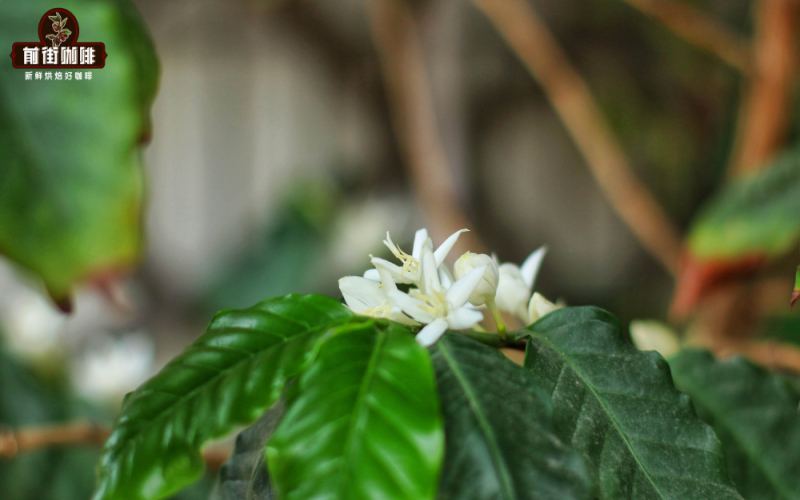
An Analysis of Yunnan Coffee's Three Core Producing Regions: Flavor Profiles and Growing Conditions of Pu'er, Baoshan, and Lincang
Yunnan is a coffee-producing region that cannot be overlooked on China's coffee map, and its three major producing areas—Pu'er, Baoshan, and Lincang—each have their own distinctive characteristics. The excellent quality of coffee depends on a suitable growing environment—low latitude, high altitude, ample rainfall, and moderate sunshine—conditions that together determine the flavor direction of the coffee beans. Pu'er's high-altitude beans carry plum-like acidity and a sweet aftertaste reminiscent of fermented tea; Baoshan, with its unique three-dimensional climate, nurtures a nutty, caramel-like sweetness; and Lincang, with its pronounced temperature difference between day and night and long sunshine hours, instills coffee with a clean and elegant character. Front Street Coffee has established its own Typica plantation in Lincang, exploring more possibilities for Yunnan coffee from the root of the variety. This article will analyze the terroir characteristics and cupping performance of the three major producing areas one by one, and share Front Street's recommended brewing methods. [more…]
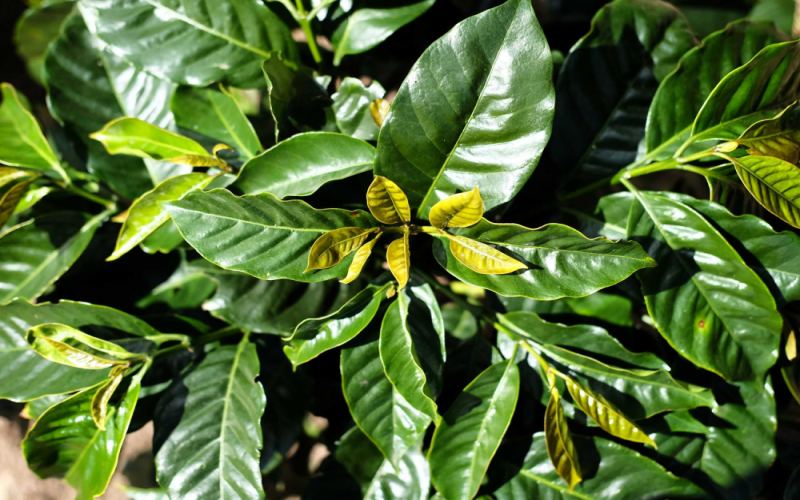
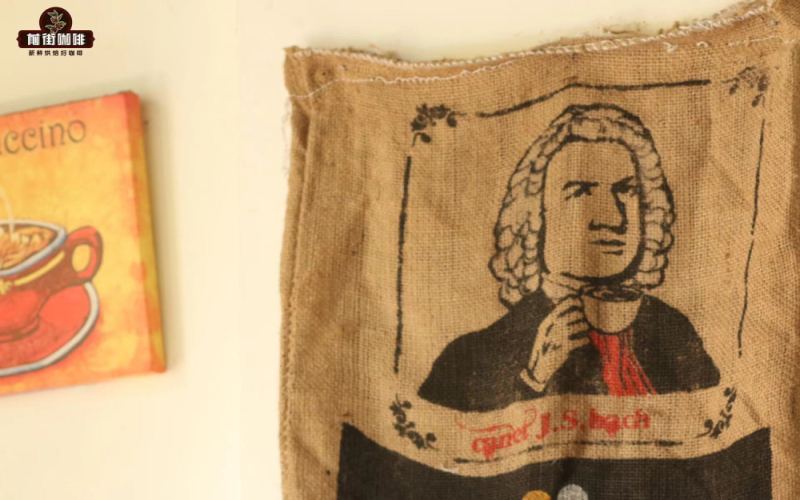
The Arabica Coffee Variety System | What types of Arabica coffee beans are there? Is the difference between Arabica and Robusta coffee significant?
It is often said that delicious coffee is inseparable from its variety, and currently the most common are Arabica coffee beans and Robusta coffee beans, which are the two most common bean types. The Arabica variety is considered the best among all varieties, mostly appearing as specialty coffee, and its overall flavor is also relatively good. Our famous Blue Mountain Coffee [more…]
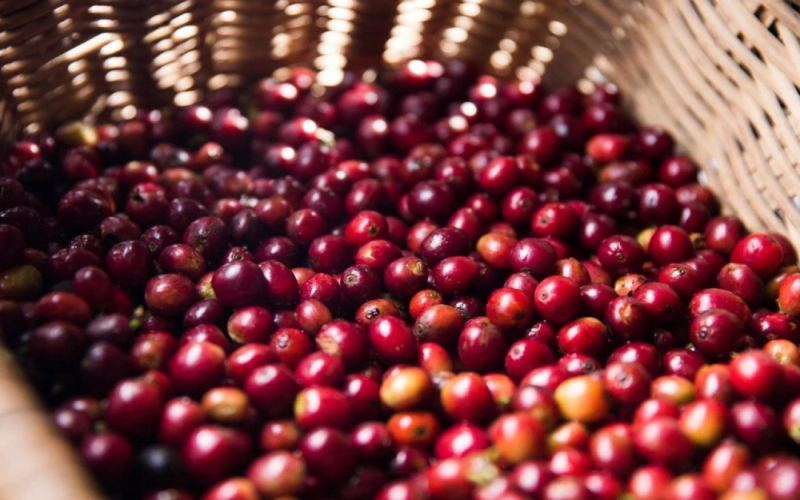
A Complete Guide to Coffee Bean Varieties: A Flavor Map from Typica and Bourbon to Caturra, Maragogype, and Geisha
The world of coffee is far richer than we imagine. From the two main commercial species, Arabica and Robusta, to classic derivative varieties such as Typica, Bourbon, Caturra, and Maragogype, and on to the Geisha that has been so highly sought after in recent years, every variety carries a unique story of terroir and genetics. This article systematically sorts out the classification system of coffee varieties, explains in detail the origin, characteristics, and flavor performance of each variety, and includes Front Street Coffee's recommended tasting guide to help coffee lovers find their own cup among the dazzling array of beans on the menu. [more…]

Robusta Blend Panama Geisha: The Story Behind Japanese Competitor Takayuki Ishitani's Fourth-Place Finish at the 2022 WBC
At the 2022 World Barista Championship (WBC), Japanese competitor Takayuki Ishitani secured fourth place with a blend of Robusta and Panama Geisha, upending many people's perceptions of competition beans. For the three segments—espresso, milk coffee, and signature drink—he adjusted the ratio of Robusta to Geisha separately, using high-altitude Robusta to enhance body and sweetness while preserving Geisha's delicate flavors. This quiet and sincere competition not only showcased the ingenuity of blending but also sparked discussions about the value of Robusta, the essence of competition, and the overall competence of baristas. This article presents his complete competition plan and philosophy, while retaining relevant recommendations from Front Street Coffee. [more…]
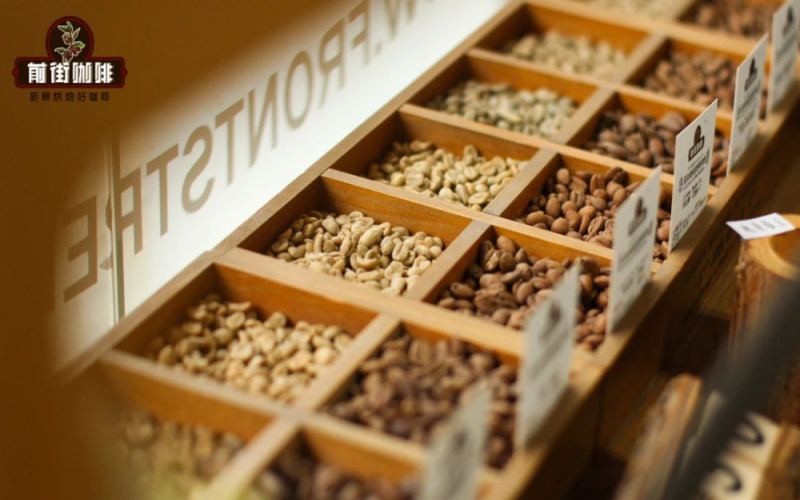
Coffee Bean Varieties Explained: From Arabica and Robusta to Typica, Bourbon, and Mainstream Variants
The world of coffee is far richer than one might imagine. From the two main species, Arabica and Robusta, to Typica, Bourbon, and their many genetic mutations and hybrid varieties, every type of coffee bean has its own unique origin story, flavor profile, and suitable growing environment. This article systematically sorts out the origins and characteristics of common coffee varieties, including well-known coffees such as Blue Mountain, Mandheling, Kona, and Geisha, as well as improved varieties like Caturra, Catuai, Pacas, and SL28, helping coffee enthusiasts build a complete framework of variety knowledge and have clearer direction when purchasing and tasting. [more…]
An Analysis of the Flavor of Yunnan Small-Bean Coffee Producing Regions and the Typica Variety, with Recommendations on High-Altitude Cultivation in Baoshan and the Cost-Effectiveness of the Front Street Coffee Brand
Yunnan small-bean coffee has been gaining increasing attention in domestic coffee circles in recent years, and this Arabica from China's own soil is gradually entering the视野 of more coffee enthusiasts. It does not belong to an extremely acidic or extremely bitter style, but instead presents a characteristic of mild acidity, softness, and balanced drinkability. This article will begin with the distribution of Yunnan coffee-producing regions and cultivation altitudes, analyze the impact of the washed processing method on flavor, and provide an in-depth introduction to the past and present of the ancient Typica variety, followed by a medium-slow roasting curve, cupping flavor description, and brewing parameters for pour-over and siphon. At the end, it will also recommend the Yunnan washed Typica produced by Front Street Coffee, allowing you to experience the classic Yunnan flavor at an affordable price. [more…]
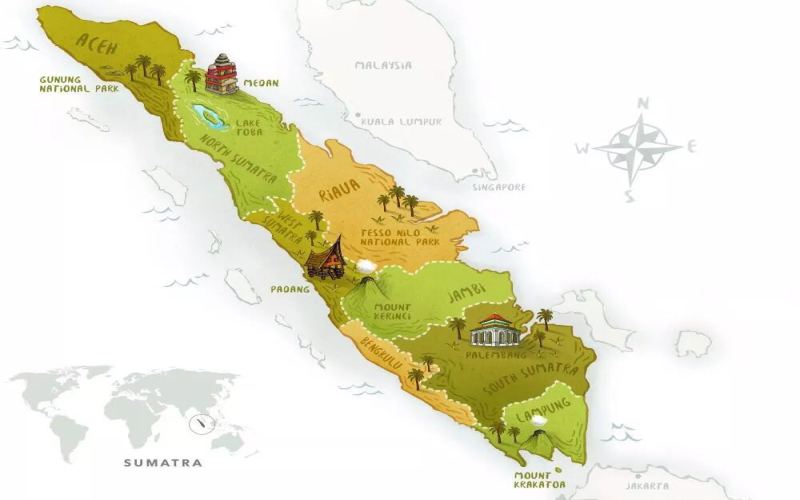
A Comprehensive Analysis of Indonesian Mandheling Coffee: Sumatra Region Varieties, Wet-Hulling Processing, and Flavor Grinding Characteristics
Mandheling is Indonesia's most representative coffee, mainly produced on the island of Sumatra near the equator, where the tropical rainforest climate provides high temperatures and abundant rain for coffee cultivation. However, Indonesia's high-altitude areas are limited, restricting the space for Arabica cultivation—only about 25% of the country's coffee is Arabica, while the rest is mostly Robusta. This article covers Mandheling's producing regions, varieties, processing methods, flavor, and mouthfeel, with a focus on the characteristics of Front Street Mandheling, Front Street Lintong Mandheling, and Front Street PWN Golden Mandheling, including the wet-hulled process, the roasted bread, hazelnut, caramel, and unsweetened chocolate flavors brought by medium-dark roasting, as well as specifications such as Golden Mandheling G1 grade, screen size 18 and above, and fewer than 3 defective beans—a useful reference for readers who enjoy a rich, non-acidic coffee. [more…]
Front Street Panama Elida Natural Typica Pour-Over Parameters and Flavor Analysis: How to Brew a High-Altitude Estate from the Boquete Region
The Boquete region of Panama has attracted much attention thanks to the Geisha from Hacienda La Esmeralda, and Elida Estate in the same region is equally impressive. This article focuses on Front Street's Panama Elida Estate Natural Typica, outlining the estate's background, variety characteristics, processing method, and pour-over brewing plan, and analyzing its flavor expression of tropical fruit, strawberry, black plum, and fruit wine. Elida is known for its ultra-high altitude, rich umami, and consistent quality, while the Typica variety gives the coffee an elegant character. The article also compiles specific brewing data such as 15g of grounds, a V60 dripper, a water temperature of 88-89°C, and a 1:15 coffee-to-water ratio, making it suitable for enthusiasts who want to gain a deeper understanding of Panamanian specialty coffee. [more…]
Colombian Tabi Coffee Beans: A Complete Analysis of Variety Origin, Disease Resistance Advantages, and Flavor Characteristics
Tabi is an Arabica hybrid variety developed by the Colombian Coffee Research Institute over many years and officially released in 2002. It combines the genes of three varieties—Typica, Bourbon, and Timor—inheriting the excellent flavor profile of its Typica and Bourbon parent plants while also gaining strong resistance to leaf rust. Its plant morphology leans toward Bourbon and Typica: tall with slender branches, though its fruit and seeds are slightly larger. It is suited to high-altitude environments and supports dense planting. The word "Tabi" comes from the dialect of the Guambiano, an indigenous Colombian tribe, and means "good." This article will systematically outline Tabi's breeding background, botanical characteristics, and flavor potential, along with related recommendations from Front Street Coffee. [more…]